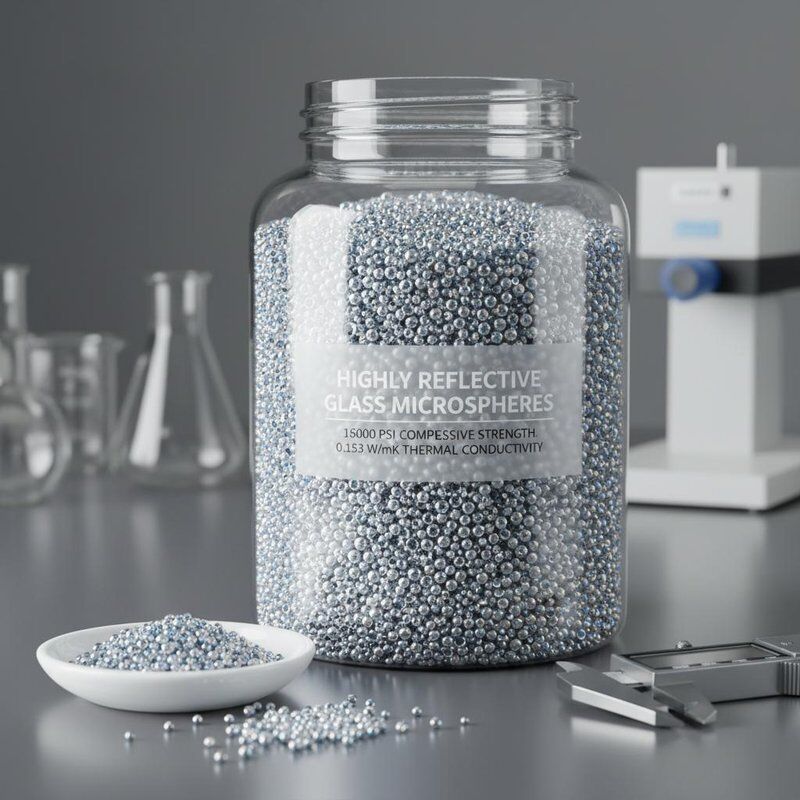
คําอธิบายสินค้า:
กระจกไมโครบับเบลล์ เป็นวัสดุที่ก้าวหน้าที่ใช้กันอย่างแพร่หลายในอุตสาหกรรมและการค้าหลายประเภท เนื่องจากการรวมคุณสมบัติทางกายภาพและทางแสงที่โดดเด่นกลากเล็กๆเหล่านี้ประกอบด้วยอนุภาคกลมขอบที่มีลักษณะขาวถึงขาวครึ่ง ทําให้มันเหมาะสมสําหรับการเพิ่มความสวยงามและผลงานทางการทํางานของวัสดุประกอบและเคลือบหนึ่งในลักษณะที่น่าทึ่งที่สุดของกระจกไมโครบบอลล์ คือลักษณะที่สะท้อนแสงสูงซึ่งส่งผลให้ดีขึ้นอย่างมากในการกระจายแสงและความสว่างในผลิตภัณฑ์เสร็จ
คุณสมบัติทางแสงของกระจกไมโครเบลล์ มีลักษณะด้วยความสามารถในการสะท้อนแสงได้อย่างมีประสิทธิภาพคุณลักษณะที่สะท้อนแสงสูงนี้ไม่เพียงแค่เพิ่มความน่าสนใจทางสายตา แต่ยังช่วยเพิ่มประสิทธิภาพด้านพลังงานในการใช้งาน เช่น การเคลือบและวัสดุประกอบกันรูปทรงกลมของอนุภาคเหล่านี้ทําให้แสงกระจายได้อย่างเท่าเทียมกัน ซึ่งส่งผลให้ผิวเรียบเรียบขึ้นเมื่อนําไปใส่ในสี พลาสติก และวัสดุประกอบอื่นๆการผิวเคลือบที่เรียบเนียนนี้เป็นที่ปรารถนามากในอุตสาหกรรมที่มองหาคุณภาพด้านความสวยงามและการทํางาน.
นอกเหนือจากข้อดีทางแสงแล้ว กระจกไมโครเบอร์บลูว์ก็ยังมีความแข็งแรงทางกลที่น่าประทับใจ ด้วยความแข็งแรงในการกดกลองเล็กๆเหล่านี้ ให้การสนับสนุนโครงสร้างที่ดีมาก เมื่อผสมเข้ากับเมทริกซ์ต่าง ๆความแข็งแรงในการกดสูงนี้ทําให้วัสดุที่ใส่กระจกไมโครบบอลล์ สามารถรักษาความสมบูรณ์แบบภายใต้แรงกดดันและความเครียดทางกลทําให้มันเหมาะสําหรับการใช้ในผสมผสมโครงสร้างเบา, ส่วนประกอบรถยนต์และวัสดุอากาศ การรวมกันของความแข็งแรงและน้ําหนักเบาช่วยสร้างผลิตภัณฑ์ที่ทนทานและเบาซึ่งเป็นปัจจัยสําคัญในการใช้งานด้านวิศวกรรมหลายอย่าง.
ผลงานทางอุณหภูมิเป็นคุณสมบัติสําคัญอีกอย่างของกระจกไมโครบับเบลล์ มีความสามารถในการนําอุณหภูมิต่ํา โดยปกติจะอยู่ระหว่าง 0.04 ถึง 0.06 W/m·Kความสามารถในการนําความร้อนที่ต่ํานี้ทําให้มันเป็นเครื่องกันความร้อนที่ดี, ช่วยลดการถ่ายทอดความร้อนในวัสดุที่นํามาใช้และบรรจุที่มีความรู้สึกต่ออุณหภูมิความสามารถในการจํากัดการไหลของความร้อนในขณะที่รักษาคุณสมบัติโครงสร้างและออปติก ทําให้ไมโครบอลล์เหล่านี้เป็นการเพิ่มเติมที่หลากหลายสําหรับการจัดทําหลายอย่าง
ความหนาแน่นจริงของกระจกไมโครเบอร์บลล์อยู่ที่ 0.454 ถึง 0.466 กรัม/ซม.ความหนาแน่นต่ํานี้ สนับสนุนการลดน้ําหนักโดยรวมของวัสดุประกอบเพิ่มความสะดวกในการจัดการ การขนส่ง และการใช้งานลักษณะเบาของกระจกไมโครเบลล์ยังช่วยเพิ่มประสิทธิภาพเชื้อเพลิงในอุตสาหกรรมรถยนต์และอากาศโดยการลดน้ําหนักของส่วนประกอบโดยไม่เสี่ยงการทํางาน.
โดยสรุปแล้ว กระจกไมโครบบอลล์รวมกันเป็นชุดของคุณสมบัติที่พิเศษ ที่ทําให้มันมีค่าสูงในการผลิตและวิทยาศาสตร์วัสดุที่ทันสมัยคุณสมบัติทางแสงที่สะท้อนแสงได้สูง ช่วยเพิ่มความสว่างและคุณภาพผิวขนาดของกระดูกกระดูกกลมของกระดูกกระดูกกระดูกกระดูกกระดูกกระดูกกระดูกกระดูกกระดูกกระดูกกระดูกกระดูกกระดูกกระดูกกระดูกกระดูกกระดูกกระดูกกระดูกกระดูกกระดูกกระดูกอุณหภูมิที่ต่ําหน่วยความหนาของเครื่องยนต์นี้มีความหนาที่มีความหนาขึ้นจาก 0.04 ถึง 0.06 W/m·K ทําให้ความสามารถในการกันความร้อนเพิ่มขึ้น ทําให้มันเหมาะสมสําหรับการใช้งานประหยัดพลังงาน466 g/cm3 ลดน้ําหนักของวัสดุประกอบ, ให้ข้อดีในเรื่องค่าใช้จ่าย, การจัดการ, และการทํางาน.คุณสมบัติเหล่านี้ทําให้กระจกไมโครบับเบลล์ เป็นวัสดุที่จําเป็นสําหรับอุตสาหกรรมที่มีเป้าหมายที่จะบรรลุเป้าหมายการทํางานและความสวยงามที่ก้าวหน้าในผลิตภัณฑ์ของพวกเขา.
ลักษณะ:
- ชื่อสินค้า: กระจกไมโครบอล
- ลักษณะภายนอก: อนุภาคกลมสีขาวถึงสีขาว
- พื้นที่พื้นที่สูงเพื่อการเพิ่มผลงาน
- การ ประกอบ: ซิลิค้า, อากาศ, และ ธาตุ ลักษณะ ล่องรอย อื่น ๆ
- คุณสมบัติทางแสงที่สะท้อนแสงสูง
- การใช้งานประกอบด้วยอุตสาหกรรมยาง, มหาสมุทร และรถยนต์
- ปรับปรุงความสามารถในการนําความร้อนในวัสดุต่างๆ
- ปรับปรุงวัสดุติดต่อเพื่อการผูกพันและความทนทานที่ดีขึ้น
ปริมาตรเทคนิค:
| กว้าง |
10-55 μm |
| การใช้งาน |
ยาง มหาสมุทร รถยนต์ |
| การประกอบ |
ซิลิค้า, อากาศ, และ ธาตุ ลําดับ อื่น ๆ |
| ความหนาแน่นที่แท้จริง |
0.454-0.466 กรัม/ซม. |
| ปริมาณความชื้น |
< 0.5% |
| ความแข็งแรงในการบด |
16000 ปีซี |
| ลักษณะ |
อนุภาคกลมสีขาวถึงสีขาว |
| ความทนทานต่ออุณหภูมิ |
สูงถึง 600°C |
| คุณสมบัติทางแสง |
มี ความ สัมผัส มาก |
| ความทนทานต่อสารเคมี |
ความ ทนทาน ที่ ดี ที่สุด ต่อ ไส้ และ แอลคาลี |
การใช้งาน:
HAINUO Glass Microbubbles รุ่นหมายเลข HN46HS ได้ถูกออกแบบมาเป็นพิเศษสําหรับการใช้งานในอุตสาหกรรมและการค้าที่หลากหลายที่ซึ่งความเบาและคุณสมบัติทางกลที่เพิ่มเติมมีความสําคัญมีพื้นที่พื้นผิวสูงและความสามารถในการนําความร้อนที่ต่ํามาก 0.153ภาพประกอบที่โดดเด่นของพวกเขา ประกอบด้วยซิลิก้า, อากาศ และธาตุรอยอื่น ๆพร้อมกับช่วงความหนาแน่นจริงที่ 0.454-0.466 กรัม/ซม.3 และความชื้นต่ํากว่า 0.5% ทําให้มันเหมาะสําหรับการปรับปรุงผลงานและความทนทานของผลิตภัณฑ์มากมาย
หนึ่งในโอกาสการใช้หลักของ HAINUO HN46HS กระจกไมโครบบอลล์คือในวัสดุที่ติดกลากเล็กน้อยเหล่านี้ลดน้ําหนักของชั้นผสมผสมด้วยการรักษาความแข็งแกร่งในการผูกซึ่งทําให้มันเหมาะสมสําหรับการใช้ในอุตสาหกรรม เช่น ออโต้, ท้องอากาศ, และการก่อสร้าง ที่การลดน้ําหนักโดยไม่เสียสละคุณสมบัติทางกลเป็นสิ่งจําเป็นพื้นผิวขนาดสูงของไมโครบอลบอล เพิ่มการปฏิกิริยาระหว่างองค์ประกอบที่ติด, ปรับปรุงความมั่นคงและความทนทานโดยรวมของพันธะผูก
สถานการณ์การใช้งานที่สําคัญอีกอย่างสําหรับไมโครบุบบอล HAINUO HN46HS คือในรูปแบบกาวแพ็คแบตเตอรี่ แพ็คแบตเตอรี่ โดยเฉพาะสําหรับรถไฟฟ้าและอุปกรณ์อิเล็กทรอนิกส์พกพาจําเป็นต้องใช้วัสดุที่ให้อุปกรณ์กันความร้อนและคุ้มกันทางกลความสามารถในการนําความร้อนต่ําของกระจกไมโครเบบบอลเหล่านี้ช่วยลดการถ่ายทอดความร้อนภายในแบตเตอรี่ เพิ่มความปลอดภัยและยืดอายุของแบตเตอรี่ นอกจากนี้ลักษณะของน้ําหนักเบาและคุณสมบัติทางกลที่ดีเยี่ยม ส่งผลให้ความสมบูรณ์แบบทางโครงสร้างของกาวแพ็คแบตเตอรี่, รับประกันผลงานที่น่าเชื่อถือ ภายใต้ความเครียดและสั่นสะเทือนทางกล
นอกเหนือจากยาแน่นและกาวแบตเตอรี่ HN46HS กระจกไมโครบบอลล์ HAINUO ยังถูกใช้อย่างแพร่หลายในการเคลือบ, เครื่องประปา, และวัสดุประกอบเบาความสามารถในการปรับปรุงคุณสมบัติทางกล เช่น ความแข็งแรงในการกดความแข็งแรงในการบิดและความต้านทานต่อการกระแทกทําให้มันเหมาะสําหรับการใช้ในอุตสาหกรรมเรือ, น้ํามันและก๊าซ และอุตสาหกรรมอิเล็กทรอนิกส์5% รับประกันการขัดขวางอย่างน้อยกับกระบวนการรักษาความแข็งและความมั่นคงของวัสดุในระยะยาว.
สรุปคือ HAINUO HN46HS Glass Microbubbles ใช้เป็นสารเสริมที่มีประสิทธิภาพสูงและหลากหลายประเภทในผลิตภัณฑ์ต่างๆความสามารถในการนําความร้อนต่ํา, และองค์ประกอบที่มั่นคงทําให้มันสมบูรณ์แบบสําหรับการเพิ่มพูนวัสดุที่ติดอยู่, แบตเตอรี่ แพ็คกาว, และการใช้งานอื่น ๆ ที่การลดน้ําหนักและความแข็งแรงทางกลเป็นสิ่งสําคัญ.
การปรับแต่ง:
HAINUO นําเสนอ Microbubbles กระจกที่กําหนดเอง, เลขรุ่น HN46HS, ออกแบบเพื่อเพิ่มการจัดการความร้อนในการใช้งานต่าง ๆ.กลองจุลเหล่านี้มีความทนทานทางเคมีที่ดีต่อกรดและอัลคาลีประกอบด้วยซิลิก้า, อากาศ, และธาตุรอยอื่น ๆ, กล๊าส Microbubbles ของเราสามารถทนความทนอุณหภูมิสูงถึง 600 ° C,ทําให้มันเหมาะสมสําหรับการแก้ไขความร้อนที่ทันสมัยเลือก HAINUO Glass Microbubbles เพื่อเพิ่มการจัดการความร้อนและปรับปรุงผลงานของสินค้าของคุณ
การสนับสนุนและบริการ:
ผลิตภัณฑ์กระจกไมโครบับเบลล์ของเราได้รับการสนับสนุนจากทีมงานเทคนิคที่มุ่งมั่นในการให้ความช่วยเหลือครบวงจรเพื่อรับรองผลงานที่ดีที่สุดและความสําเร็จของการใช้งานเรานําเสนอเอกสารรายละเอียดสินค้า, รวมถึงรายละเอียดวัสดุ, แนวทางการจัดการ, และใบข้อมูลความปลอดภัยเพื่อช่วยให้คุณบูรณาการกระจกไมโครบอลในกระบวนการของคุณอย่างมีประสิทธิภาพ
บริการสนับสนุนทางเทคนิครวมถึงการปรึกษาเกี่ยวกับการเลือกผลิตภัณฑ์โดยพิจารณาตามความต้องการการใช้งานเฉพาะเจาะจงของคุณ คําแนะนําสําหรับเทคนิคการแปรรูป และการช่วยเหลือในการแก้ไขปัญหาผู้เชี่ยวชาญของเราพร้อมที่จะตอบคําถามใด ๆ ที่เกี่ยวข้องกับลักษณะของสินค้า, ความสอดคล้อง และการปรับปรุงการทํางาน
นอกจากนี้ เรายังให้การฝึกอบรมและงานสัมมนาที่กําหนดเอง เพื่อช่วยให้ทีมงานของคุณเข้าใจแนวทางที่ดีที่สุดในการใช้กระจกไมโครบับเบิลเป้าหมายของเราคือการสนับสนุนการนวัตกรรมและการพัฒนาผลิตภัณฑ์ของคุณ, วัสดุที่มีคุณภาพสูงที่สนับสนุนโดยการตอบสนองและบริการที่มีความรู้
FAQ:
Q1: HAINUO Glass Microbubbles Model HN46HS ใช้สําหรับอะไร?
A1: HAINUO Glass Microbubbles Model HN46HS ใช้เป็นหลักในการลดความหนาแน่นของวัสดุประกอบ การปรับปรุงความละเอียดความร้อนและเพิ่มความสามารถระบายน้ําในการใช้งานอุตสาหกรรมต่างๆ
Q2: ช่วงขนาดเฉพาะของ HN46HS กระจกไมโครบอล คืออะไร?
A2: กล่องไมโครบับเบลล์ HAINUO HN46HS โดยทั่วไปมีเส้น径 ระหว่าง 10 ถึง 60 ไมโครน, ให้ความเหมือนกันที่ดีและการทํางานที่คงที่.
Q3: กระป๋องจิ๋ว HAINUO HN46HS เป็นกระป๋องจิ๋วที่ไม่ทํางานทางเคมี?
A3: ใช่, HAINUO HN46HS กระจกไมโครบอลเป็นสารเคมี inert และเข้ากันได้กับส่วนใหญ่ของธ อร์, พลาสติก, และวัสดุอื่น ๆ ที่ใช้ในการผลิต.
Q4: กระจกกระจก HN46HS สามารถใช้ในอุปกรณ์อุณหภูมิสูงได้หรือไม่?
A4: ใช่, ไมโครบอลเบล HAINUO HN46HS มีความมั่นคงทางความร้อนที่ดีและสามารถทนอุณหภูมิถึงประมาณ 600 °C ทําให้มันเหมาะสําหรับสภาพแวดล้อมอุณหภูมิสูง.
Q5: HAINUO Glass Microbubbles Model HN46HS ควรเก็บไว้อย่างไร?
A5: กล่องไมโครบีบอล HN46HS ควรเก็บไว้ในที่เย็นแห้ง ห่างจากแสงอาทิตย์ตรงและความชื้น เพื่อรักษาคุณภาพและผลงานของมัน


 ข้อความของคุณจะต้องอยู่ระหว่าง 20-3,000 ตัวอักษร!