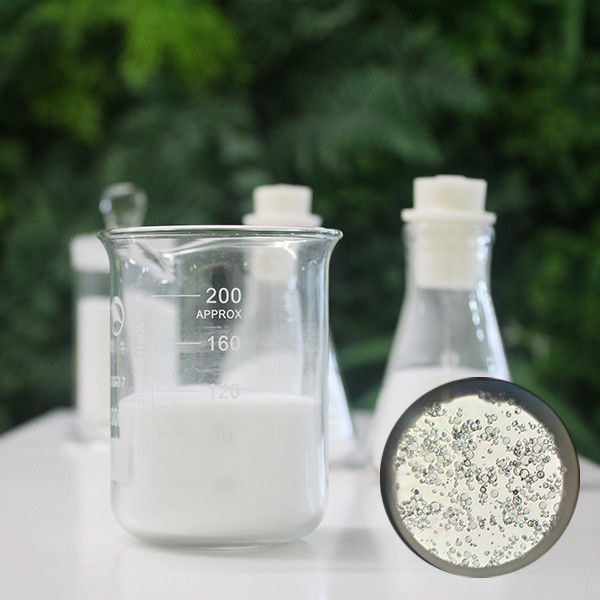
คําอธิบายสินค้า:
กล่องไมโครบอลลูนเป็นกล่องกระจกกระจกกระจกกระจกกระจกกระจกกระจกกระจกกระจกกระจกลูกกลองขนาดเล็กเหล่านี้มีผนังหนาสุดบาง ตั้งแต่ 1 ถึง 2 ไมครอนซึ่งส่งผลให้มีลักษณะเบา ๆ ในขณะที่ยังคงมีความแข็งแรงและทนทานที่น่าทึ่ง The precise wall thickness of 1-2 microns ensures that each microballoon is robust enough to withstand significant pressure without compromising the overall low density that makes them so valuable in composite materials.
สีของกระจกไมโครบอลลูนเหล่านี้มักจะเป็นสีขาวหรือสีขาวประมาณ ทําให้มีลักษณะที่เป็นกลางและสวยงามที่เข้ากันได้อย่างต่อเนื่องกับรูปแบบและการเคลือบต่างๆสี ที่ ละเอียด นี้ ไม่ ทํา ให้ สภาพ ของ ผลิตภัณฑ์ ที่ จบ การ ผลิต ไม่ สะดุด, ทําให้พวกเขาเป็นตัวเลือกที่เหมาะสมสําหรับการใช้งานที่รูปร่างเป็นข้อพิจารณาสีขาวหรือสีขาวเกือบจะรักษาความสม่ําเสมอและคุณภาพ.
ผลิตจากกระจกโดยเฉพาะ การประกอบของวัสดุของกลองขนาดเล็กเหล่านี้ ให้ความทนทานทางเคมีและความมั่นคงที่ดีเยี่ยม ภายใต้สภาพแวดล้อมที่หลากหลายกระจกเป็นวัสดุที่มีชื่อเสียงสําหรับความอ่อนแอและไม่ปฏิกิริยาซึ่งหมายความว่าไมโครบอลลูนเหล่านี้ไม่ค่อยจะละลาย หรือปฏิกิริยากับส่วนประกอบอื่นๆ ในผสมทําให้มันเหมาะสําหรับการใช้ในสภาพแวดล้อมทางเคมีที่รุนแรงหรือที่มีความทนทานระยะยาว.
หนึ่งในลักษณะที่โดดเด่นของไมโครบอลลูนแก้วเหล่านี้ คือความแข็งแรงในการกดที่น่าประทับใจของพวกเขา ซึ่งสามารถถึง 100 MPaความแข็งแรงในการบดขนาดสูงนี้ ทําให้ไมโครบอลลูนสามารถทนรับภาระหนักและความเครียดทางกล โดยไม่ล้มหรือบิดคุณสมบัตินี้เป็นประโยชน์โดยเฉพาะอย่างยิ่งในแอพลิเคชั่น เช่น สารประกอบโครงสร้างเบา ๆ ที่การรักษาความสมบูรณ์แบบภายใต้ความดันเป็นสิ่งสําคัญความสามารถในการยึดถือแรงกดถึง 100 MPa ทําให้กลองจุลินทรีย์เหล่านี้เป็นตัวเลือกที่น่าเชื่อถือในการเพิ่มคุณสมบัติทางกลของวัสดุต่างๆ.
นอกเหนือจากความแข็งแรงทางกลของกระจก Microballoons เหล่านี้แสดงให้เห็นความสามารถในการนําความร้อนต่ํา, วัดที่ประมาณ 0.2 W / m · K.ความสามารถในการนําความร้อนที่ต่ํานี้ทําให้มันเป็นเครื่องกันความร้อนที่ดี, ช่วยลดการถ่ายทอดความร้อนในแอปพลิเคชั่นที่ต้องการการจัดการความร้อน โดยการนํากล่องขนาดเล็กเหล่านี้เข้าด้วยกัน ผู้ผลิตสามารถปรับปรุงคุณสมบัติการกันความร้อนของสินค้าของพวกเขาสนับสนุนการประหยัดพลังงานและการเพิ่มผลงานในสภาพแวดล้อมที่มีความรู้สึกต่อความร้อน.
การผสมผสานความหนาของผนัง 1-2 ไมครอน, สีขาวหรือสีขาว, องค์ประกอบของวัสดุกระจก, ความแข็งแรงในการกดถึง 100 MPa, และการนําความร้อนต่ํา 0.2 สร้างผลิตภัณฑ์ที่หลากหลายและมีความสามารถสูงคุณสมบัติเหล่านี้ทําให้กระจกไมโครบอลลูน เหมาะสําหรับการใช้งานที่หลากหลาย เช่น เติมน้ําหนักเบาในวัสดุประกอบรถยนต์และอากาศและเป็นสารเสริมในการเคลือบและเครื่องแนบ เพื่อเพิ่มความแข็งแรงและลดน้ําหนัก.
นอกจากนี้ กระบวนการผลิตที่แม่นยํายังทําให้มีขนาดและคุณภาพที่สม่ําเสมอ ทําให้สามารถคาดเดาได้และมีความน่าเชื่อถือได้ ระหว่างชุดต่างๆมิครบอลลูนสามารถผสมผสานได้ง่ายในเมทริกซ์ต่างๆ, ให้ผู้ผลิตความยืดหยุ่นและการควบคุมคุณสมบัติสุดท้ายของผลิตภัณฑ์ของพวกเขา ไม่ว่าเป้าหมายคือการลดน้ําหนัก, เพิ่มความแข็งแรง, หรือปรับปรุงการกันความร้อนกล๊าสไมโครบอลลูนเหล่านี้ ให้บริการทางการแก้ไขที่คุ้มค่าและมีประสิทธิภาพ.
สรุปคือ กล๊าสไมโครบอลลูน ขนาดผนังหนา 1-2 ไมครอน มีให้เลือกในสีขาวหรือสีขาวมีความแข็งแรงในการกดถึง 100 MPa และความสามารถในการนําความร้อน 0.2, เป็นตัวเลือกที่ดีที่สุดสําหรับอุตสาหกรรมที่มองหาวัสดุที่มีน้ําหนักเบา แข็งแรงและกันความร้อนการผสมผสานคุณสมบัติอันโดดเด่นของพวกเขาทําให้พวกเขาตอบสนองความต้องการที่ต้องการของการผลิตและการใช้งานด้านวิศวกรรมที่ทันสมัยทําให้มันเป็นองค์ประกอบที่จําเป็นในการพัฒนาวัสดุและผลิตภัณฑ์รุ่นใหม่
ลักษณะ:
- ชื่อสินค้า: กล่องไมโครบอลลูน
- ความแข็งแรงในการบด: สูงสุด 100 MPa
- ความหนาแน่น: 0.15-0.3 g/cm3
- วัสดุ: กระจก
- สี: ขาวหรือขาว
- ความสามารถในการนําความร้อน: 0.2
- เหมาะสําหรับการใช้งานเบาที่ต้องการความแข็งแรงสูงและความหนาแน่นต่ํา
- คุณสมบัติการกันความร้อนที่ดี
- ทนทานและมั่นคงในสภาพแวดล้อมที่แตกต่างกัน
ปริมาตรเทคนิค:
| ความทนทานต่ออุณหภูมิ |
สูงถึง 600°C |
| ความหนาของผนัง |
1-2 ไมครอน |
| ความหนาแน่นที่แท้จริง |
0.58-0.62 |
| สารประกอบเคมี |
SiO2, Na2O, CaO, MgO, Al2O3 |
| กว้าง |
20-75 μm |
| การใช้งาน |
เครื่องเติมน้ําหนักเบา, เอกสารประกอบ, ผสมผสม |
| ความสามารถในการนําความร้อน |
0.05 W/m·K |
| ความเหมาะสมทางความร้อน |
0.2 |
| วัสดุ |
กระจก |
| ความแข็งแรงในการบด |
สูงสุด 100 MPa |
การใช้งาน:
ไมโครบอลลูนแก้ว ที่มีลักษณะด้วยความหนาของผนังบางมากของ 1-2 ไมโครน และช่วงกว้าง 20-75 μm เป็นวัสดุที่สามารถใช้ได้หลายอย่างในอุตสาหกรรมและการใช้งานต่าง ๆสารประกอบทางเคมีที่พิเศษ, ประกอบด้วย SiO2, Na2O, CaO, MgO, และ Al2O3, ให้ความทนทานทางเคมีที่ดีเยี่ยม, ทําให้มันเหมาะสําหรับสภาพแวดล้อมที่เผชิญกับสารเคมีรุนแรงเป็นเรื่องปกติ.ความ ทนทาน ที่ เกิด ขึ้น จาก ธ อร์ ที่ จะ รับมือ กับ สาร เคมี ส่วน ใหญ่ ทํา ให้ มัน ทนทาน และ อายุ ยาว ใน สภาพ ที่ ยากซึ่งเป็นสิ่งจําเป็นสําหรับการใช้งานในอุตสาหกรรมหลายอย่าง
หนึ่งในโอกาสการใช้งานหลักของไมโครบอลลูนกระจก คือในอุตสาหกรรมอากาศและรถยนต์ ที่การลดน้ําหนักโดยไม่เสียความแข็งแรงเป็นสิ่งสําคัญเนื่องจากความสามารถในการนําไฟที่ต่ํา 0.05 W/m·K บอลลูนขนาดเล็กเหล่านี้มีคุณสมบัติการกันความร้อนที่ดีเยี่ยม ทําให้มันเหมาะสําหรับการใช้ในวัสดุประกอบช่วยเพิ่มประสิทธิภาพการใช้น้ํามันโดยการลดน้ําหนักรถยนต์โดยรวมและเพิ่มการควบคุมอุณหภูมินอกจากนี้, กว้างขนาดเล็กและการกระจายขนาดที่เท่าเทียมกันของพวกเขาทําให้การจัดทําที่แม่นยําและการทํางานที่น่าเชื่อถือในผสมประกอบที่มีผลงานสูง.
กล๊าสไมโครบอลลูนยังถูกใช้ในอุตสาหกรรมก่อสร้าง โดยเฉพาะอย่างยิ่งในคอนกรีตเบาและการจัดทําพลาสเตอร์ขนาดของอนุภาคละเอียดและผนังบางของพวกเขา ส่งผลให้การลดความหนาแน่นของวัสดุก่อสร้างในขณะที่รักษาความสมบูรณ์แบบทางกลผลลัพธ์คือการปรับปรุงความละเอียดความร้อนและคุณสมบัติการกันเสียงในอาคาร เพิ่มประสิทธิภาพพลังงานและความสบายใจความทนทานทางเคมีที่ดีของพวกเขาเป็นประโยชน์สําหรับเคลือบและสารประปาที่เผชิญกับสภาพแวดล้อมเกลือรุนแรงการป้องกันที่นานกว่า
นอกจากการใช้งานในอุตสาหกรรมแล้ว ลูกกลองขนาดเล็กเหล่านี้ยังเป็นที่นิยมในอุตสาหกรรมอิเล็กทรอนิกส์ และอุตสาหกรรมน้ํามันและก๊าซเมื่อความกันความร้อนและความทนทานต่อสารเคมีของพวกเขาคุ้มกันองค์ประกอบที่ nhạy cảmในการเจาะน้ํามันและก๊าซ, Glass Microballoons ลดความหนาของเหลวเจาะ, ปรับปรุงประสิทธิภาพการเจาะและลดต้นทุน.และสารเคมี สร้างขึ้นสนับสนุนการทํางานภายใต้ความดันสูงและสภาพด้านล่างที่รุนแรงทางเคมี.
โดยรวมแล้ว โอกาสและกรณีการใช้งานสําหรับ Glass Microballoons มีความหลากหลายและมีความสําคัญในอุตสาหกรรมที่น้ําหนักเบา, ความทนทานต่อสารเคมี และการกันความร้อนเป็นสิ่งสําคัญคุณสมบัติพิเศษของพวกมัน, รวมถึงความหนาผนัง 1-2 ไมครอน, กว้างระหว่าง 20-75 μm และมีองค์ประกอบทางเคมี SiO2, Na2O, CaO, MgO และ Al2O3ให้แน่ใจว่าพวกเขาตอบสนองความต้องการที่ต้องการของการผลิตและการวิศวกรรมที่ทันสมัย.
FAQ:
คําถามที่ 1: กล่องไมโครบอลลูนใช้ในสิ่งที่?
A1: กล๊าสไมโครบอลลูนถูกใช้เป็นวัสดุเติมน้ําหนักเบาในผสมผสม, การเคลือบ, ผสมผสมและสารประปาเพื่อปรับปรุงความแข็งแรง, ลดความหนาแน่น, และเสริมการกันความร้อน
Q2: ขนาดทั่วไปของกระจกไมโครบอลลูนคืออะไร?
A2: กระจกไมโครบอลลูนมักมีขนาดตั้งแต่ 10 ถึง 100 ไมครอน, ให้ความเหมือนกันที่ดีสําหรับการใช้งานอุตสาหกรรมต่างๆ
คําถามที่ 3: กระจกไมโครบอลลูนมีสารเคมีไร้ผลไหม?
ตอบ3: ใช่ กล่องไมโครบอลลูนเป็นสารเคมีที่ไม่ทํางาน และทนทานกับกรด, แอลคาลี และสารละลายส่วนใหญ่ ทําให้มันเหมาะสําหรับการใช้ในสภาพแวดล้อมเคมีที่รุนแรง
คําถามที่ 4: กล่องไมโครบอลลูนจะส่งผลต่อความหนาแน่นของวัสดุประกอบอย่างไร?
A4: การเพิ่มกระจกไมโครบอลลูนจะลดความหนาแน่นของวัสดุประกอบอย่างสําคัญ เนื่องจากโครงสร้างกลมเปลือกของพวกเขา ซึ่งนําไปสู่ผลิตภัณฑ์ปลายที่เบาและมีประสิทธิภาพมากขึ้น
Q5: กระจกไมโครบอลลูนสามารถปรับปรุงคุณสมบัติการกันความร้อนของวัสดุได้หรือไม่
A5: ใช่, กระจกไมโครบอลลูนเพิ่มความละเอียดความร้อนโดยการจับอากาศภายในกลมโคลนของพวกเขา, ซึ่งช่วยลดการถ่ายทอดความร้อนในเคลือบและผสม.


 ข้อความของคุณจะต้องอยู่ระหว่าง 20-3,000 ตัวอักษร!